सुगम न्याय · Justice, made simple

Preventing litigation before it begins.

Millions of court cases are manufactured at a government counter — a succession certificate delayed, a mutation ignored. We cut them off at the source, with AI that assists and judges who decide.

21 DAYS
0.0 crore+
cases pending across all courts (NJDG, 2026) — most manufactured long before a courtroom
0%
of pending cases involve the State — the biggest litigant is the government itself
0 days
our mandated action clock — from filing to a reasoned, appealable order
The problem

The pendency crisis begins outside the courtroom.

Succession certificates, property mutation, inheritance papers — everyday necessities for millions. When the executive fails to issue them, the failure doesn't disappear. It files itself in court as partition suits, writs and appeals that occupy dockets for decades.

Refusal has a remedy — appeal. Delay has none. No appeal lies against silence.

01
Failed application at the counter
02
Grievance filed (29.23 lakh on CPGRAMS in 2024)
03
Legal notice served
04
Suit or writ filed — appeals follow
05
20 years of pendency
✂ Sugama Nyaya cuts the funnel here — a 21-day action clock from the moment of filing.
How it works

AI assists. The judge decides.

Structured legal reasoning in support of human authority — never in place of it. Every decision is a reasoned, documented, appealable order.

1

Citizen submits

Application and documents filed digitally — DigiLocker, e-district and e-courts integrated.

2

AI prepares

The submission is checked against applicable law; a reasoned recommendation is drafted — for judicial reference only.

3

The court decides

The District Judge grants, or records a reasoned objection — within a mandated 21-day window.

4

Cure & resubmit

Deficiencies notified precisely; the citizen cures and resubmits. No silent abandonment of files.

The team

Lawyers, technologists and policy specialists.
A public-interest mandate, no commercial motive.
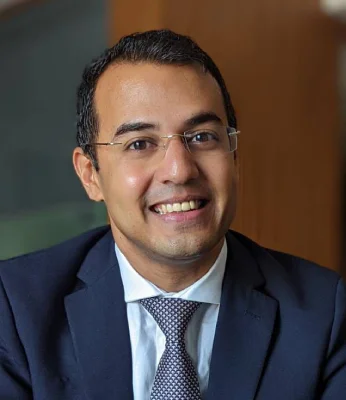
Saionton Basu

Saionton Basu

Founder

Dual-qualified lawyer (England & Wales and India); NLSIU gold medallist and former law clerk to the Chief Justice of India. Corporate partner at Penningtons Manches and Duane Morris in London before joining EFG Private Bank, where he is a Director advising on cross-border wealth.

LinkedIn ↗
Binit Agrawal

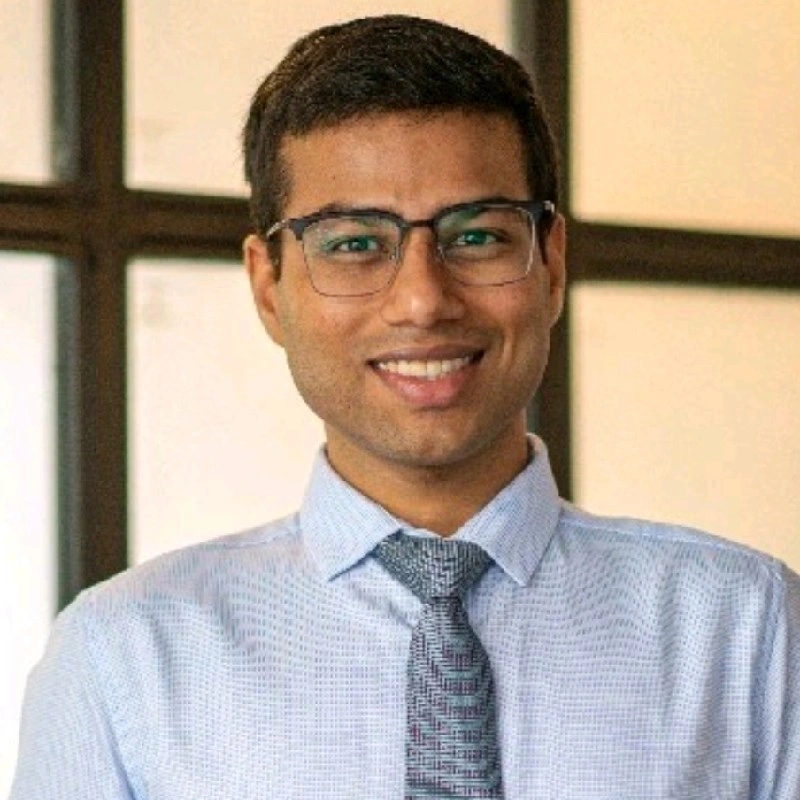
Binit Agrawal

Lawyer

NLSIU; University of Vienna. Counsel at AA Law Chambers and former Head of Strategy at Lucio AI; UNDP-empanelled expert on law and AI, building AI-first legal practice for emerging India.

LinkedIn ↗
Prannv Dhawan

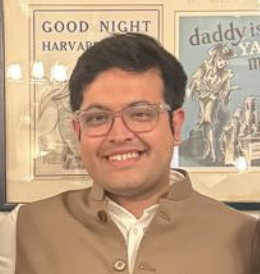
Prannv Dhawan

Lawyer

NLSIU; LL.M., Yale Law School. Advocate and former law clerk at the Supreme Court of India; founding editor of the Law School Policy Review, writing widely on constitutional law, courts and technology.

LinkedIn ↗
Akriti Gaur

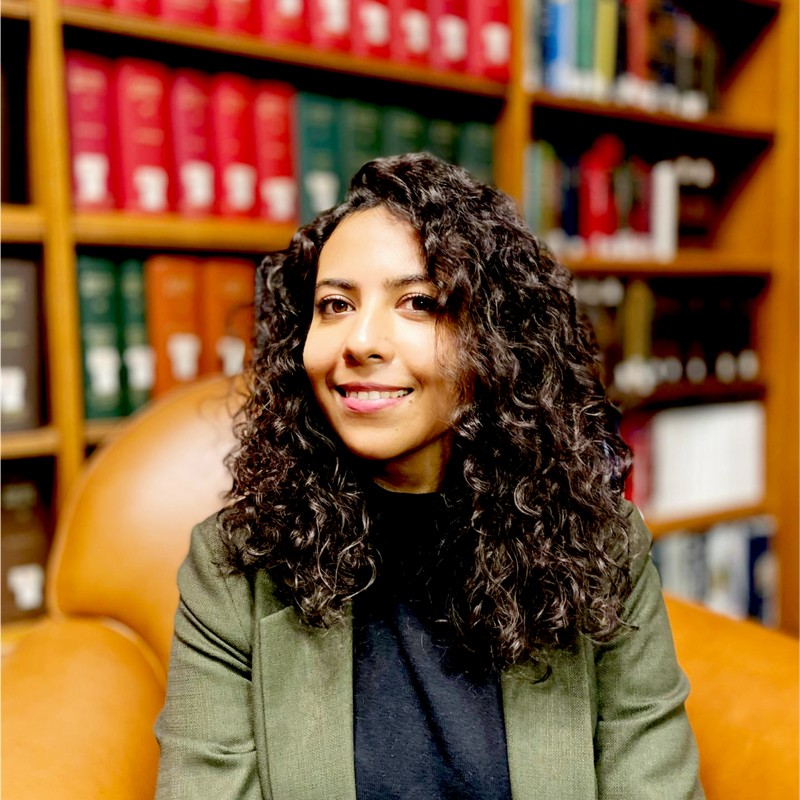
Akriti Gaur

Lawyer · Policy Advisor

NLU Jodhpur; LL.M. and doctoral candidate, Yale Law School. Former Senior Resident Fellow at the Vidhi Centre for Legal Policy, where she founded its applied law-and-technology centre; has advised Indian government bodies on technology regulation.

LinkedIn ↗

"The executive owns the counter; the Court owns the consequence."

We ask the institution that bears the cost of failure to sponsor the cure. Lawyers, technologists and policy specialists — a public-interest mandate, no commercial motive.

Pilot ↗ Meet the team ↗